Shown vs Showed: The Complete Guide to Using These Two Forms Correctly ✨
May 18, 2026

Shown and showed are both past forms of the verb show, but they don’t work the same way. Showed is...
Read more
😊 Appreciative of vs Appreciative for: The Complete Guide You’ll Ever Need
May 17, 2026

Appreciative of means recognizing a specific quality, effort, or trait someone possesses. Appreciative for expresses broader, more general gratitude —...
Read more
Complete vs. Completed: The Clear, No-Nonsense Grammar Guide You’ll Actually Use ✍️📘
May 16, 2026
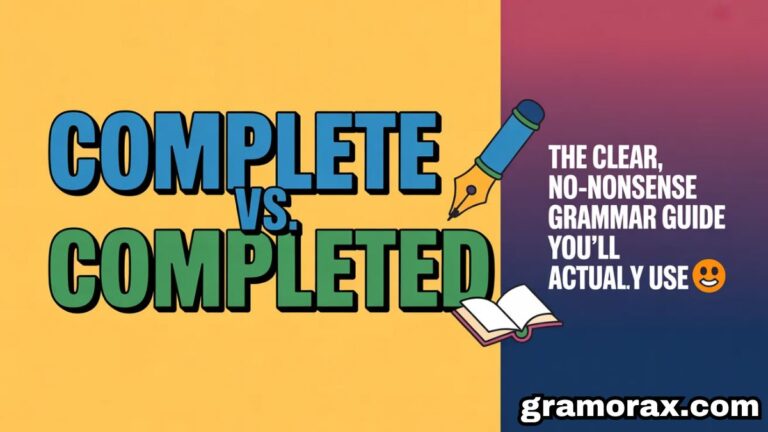
Complete means whole, total, or lacking nothing — it describes a state. Completed means an action was performed and finished...
Read more
🎯 Resignate or Resonate? The Ultimate Guide to Choosing the Right Word
May 16, 2026
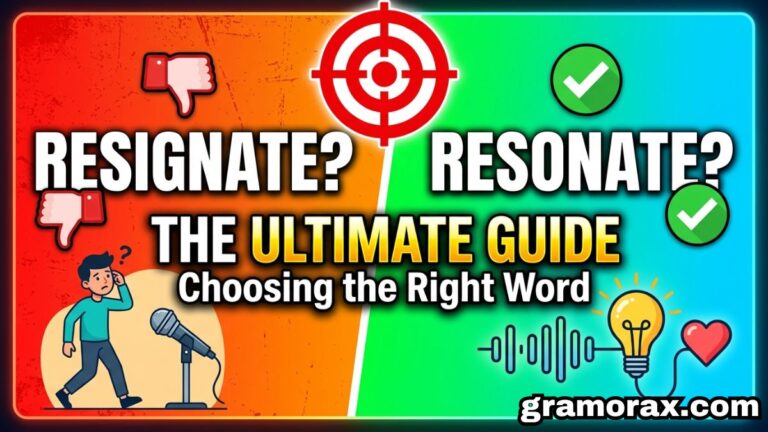
“Resignate or resonate” — one is a ghost word haunting inboxes and LinkedIn posts everywhere, the other is a precise,...
Read more
🔍 Analysis vs Analyses: The Complete Guide to Using These Words Correctly
May 16, 2026
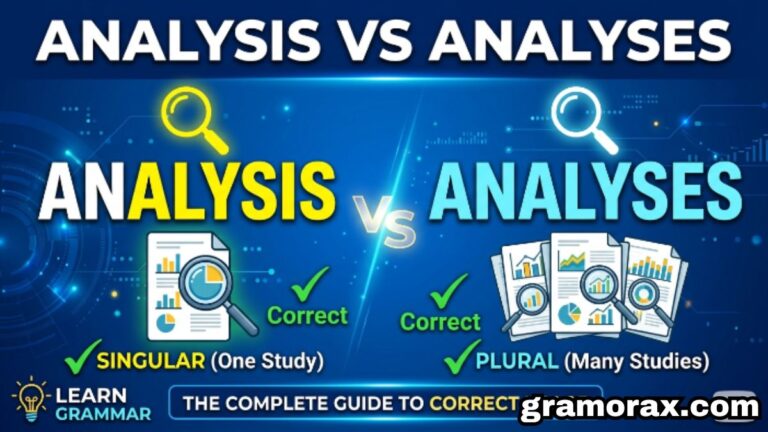
Analysis refers to a single, detailed examination of something — data, text, or evidence. Analyses is simply its plural. One...
Read more
❓ What Happen or What Happened? The Complete Guide to Correct Usage in English
May 16, 2026
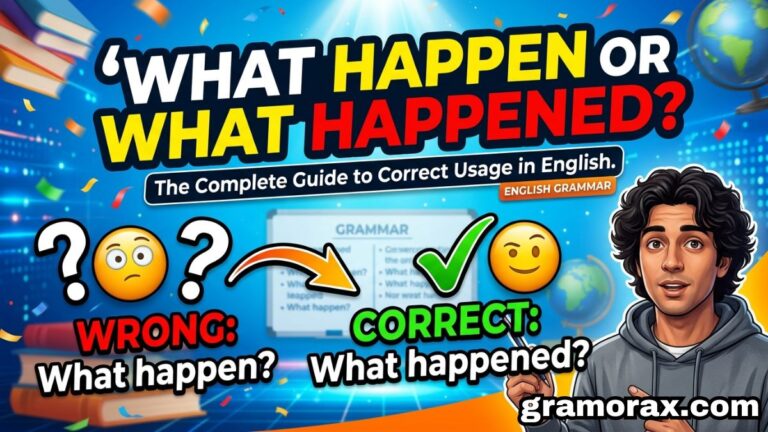
“What happened” is the grammatically correct past tense form used to ask about a completed event. “What happen” uses the...
Read more
✨ Its Self or Itself? The Complete Guide to Correct Usage (With Examples, Facts & Table)
May 15, 2026
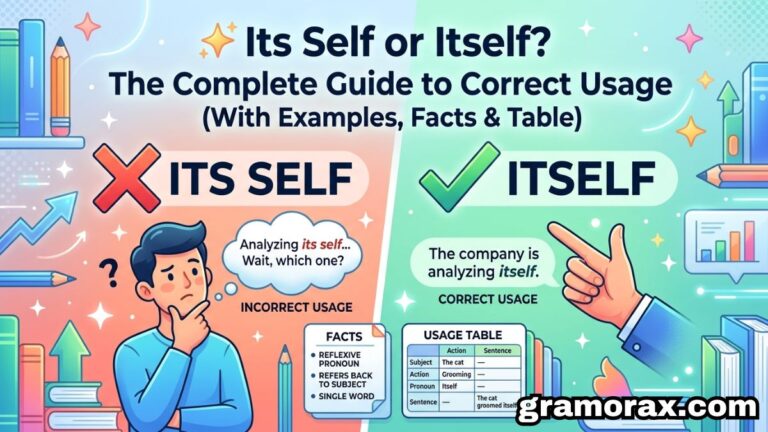
Itself is a reflexive pronoun — a single, standardized word used when a non-human subject acts upon or emphasizes itself....
Read more
Hassle vs Hastle: The Complete Guide to Meaning, Spelling & Real Usage ✍️✨
May 14, 2026
Hassle is a real English word — a noun and a verb meaning an annoying inconvenience or persistent pestering. Hastle...
Read more
🌟 Become vs Became: The Ultimate Guide to Using These Verb Forms Correctly
May 14, 2026
Become vs became are two forms of the same irregular verb — one lives in the present, one anchors the...
Read more
Combating vs Combatting: Which One Should You Use? ⚔️✨
May 14, 2026
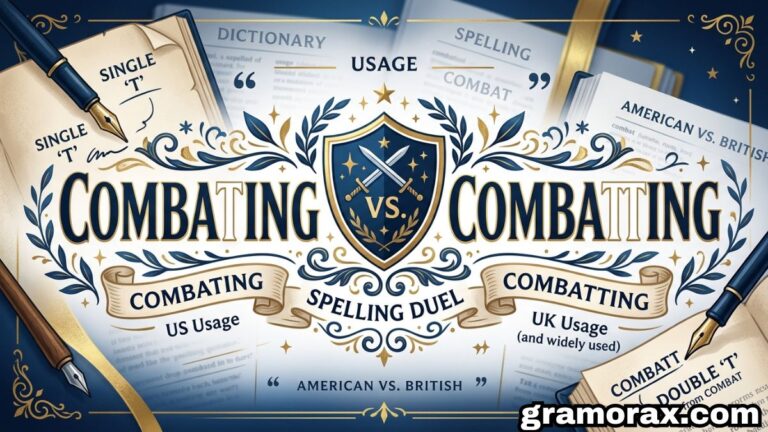
Combating and combatting are two spelling variants of the same present participle — both derived from the verb combat, meaning...
Read more