🚦 There Is No vs There Are No: The Only Guide You’ll Ever Need
May 19, 2026
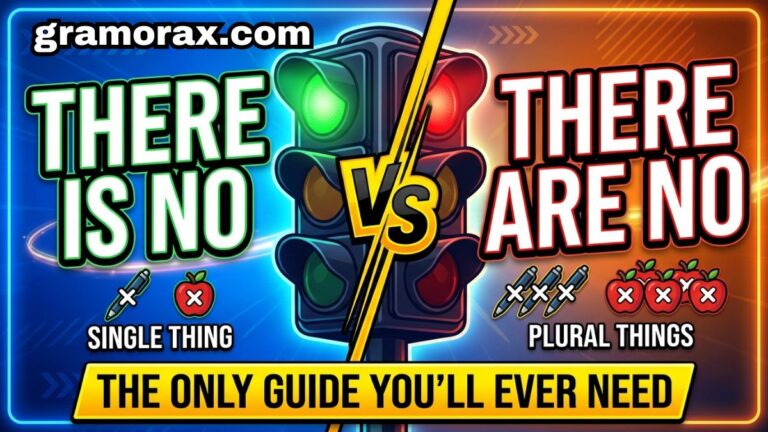
“There is no” and “there are no” are negative existential phrases in English used to express the absence of something....
Read more
Shown vs Showed: The Complete Guide to Using These Two Forms Correctly ✨
May 18, 2026
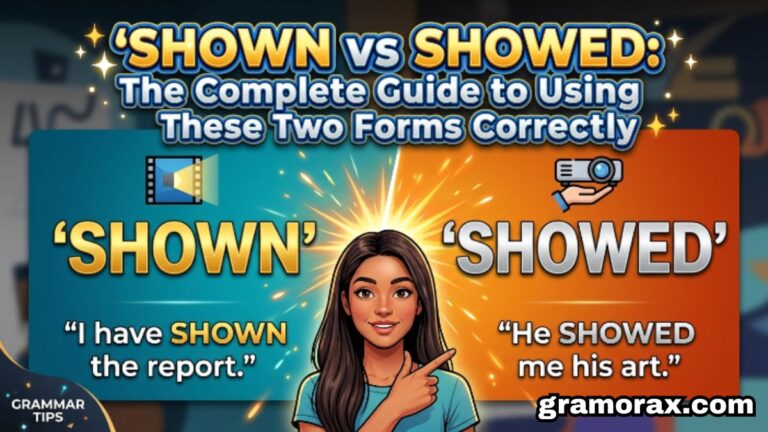
Shown and showed are both past forms of the verb show, but they don’t work the same way. Showed is...
Read more
Complete vs. Completed: The Clear, No-Nonsense Grammar Guide You’ll Actually Use ✍️📘
May 16, 2026
Complete means whole, total, or lacking nothing — it describes a state. Completed means an action was performed and finished...
Read more
✨ Its Self or Itself? The Complete Guide to Correct Usage (With Examples, Facts & Table)
May 15, 2026
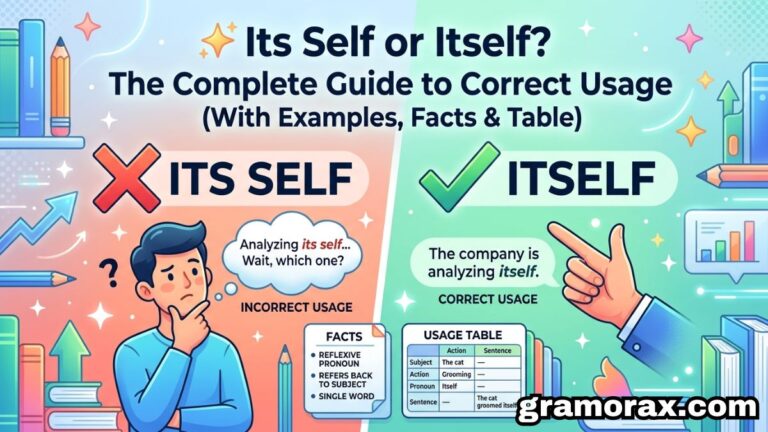
Itself is a reflexive pronoun — a single, standardized word used when a non-human subject acts upon or emphasizes itself....
Read more
🌟 Become vs Became: The Ultimate Guide to Using These Verb Forms Correctly
May 14, 2026
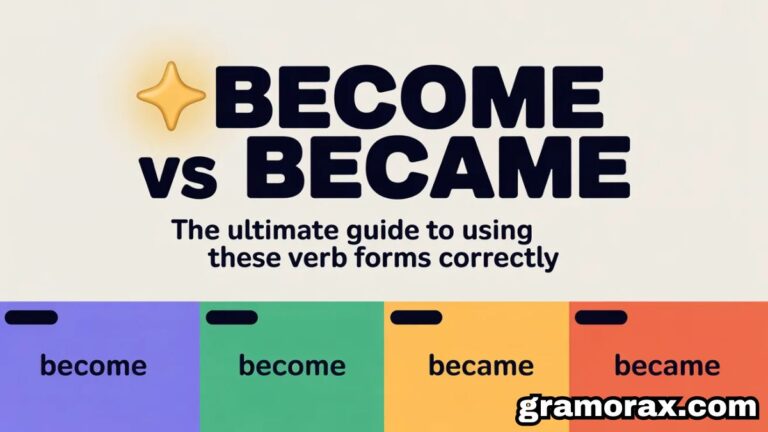
Become vs became are two forms of the same irregular verb — one lives in the present, one anchors the...
Read more
How-To vs. How-Tos: The Definitive Guide to Getting It Right
May 13, 2026
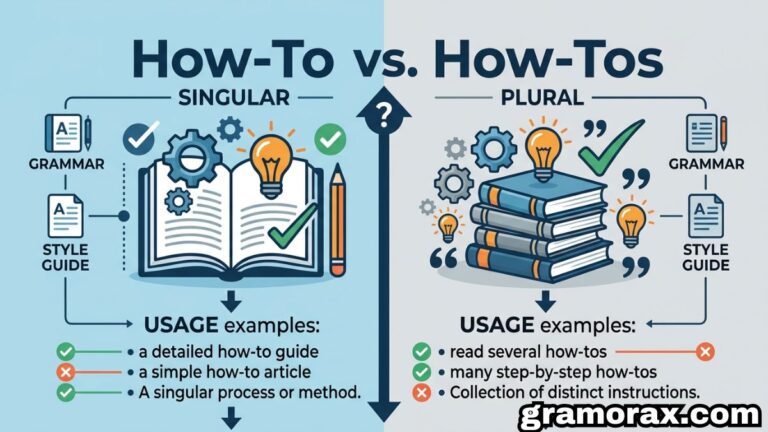
How-to is a hyphenated compound word functioning as either a noun or modifier — and how-tos is its correct plural...
Read more